
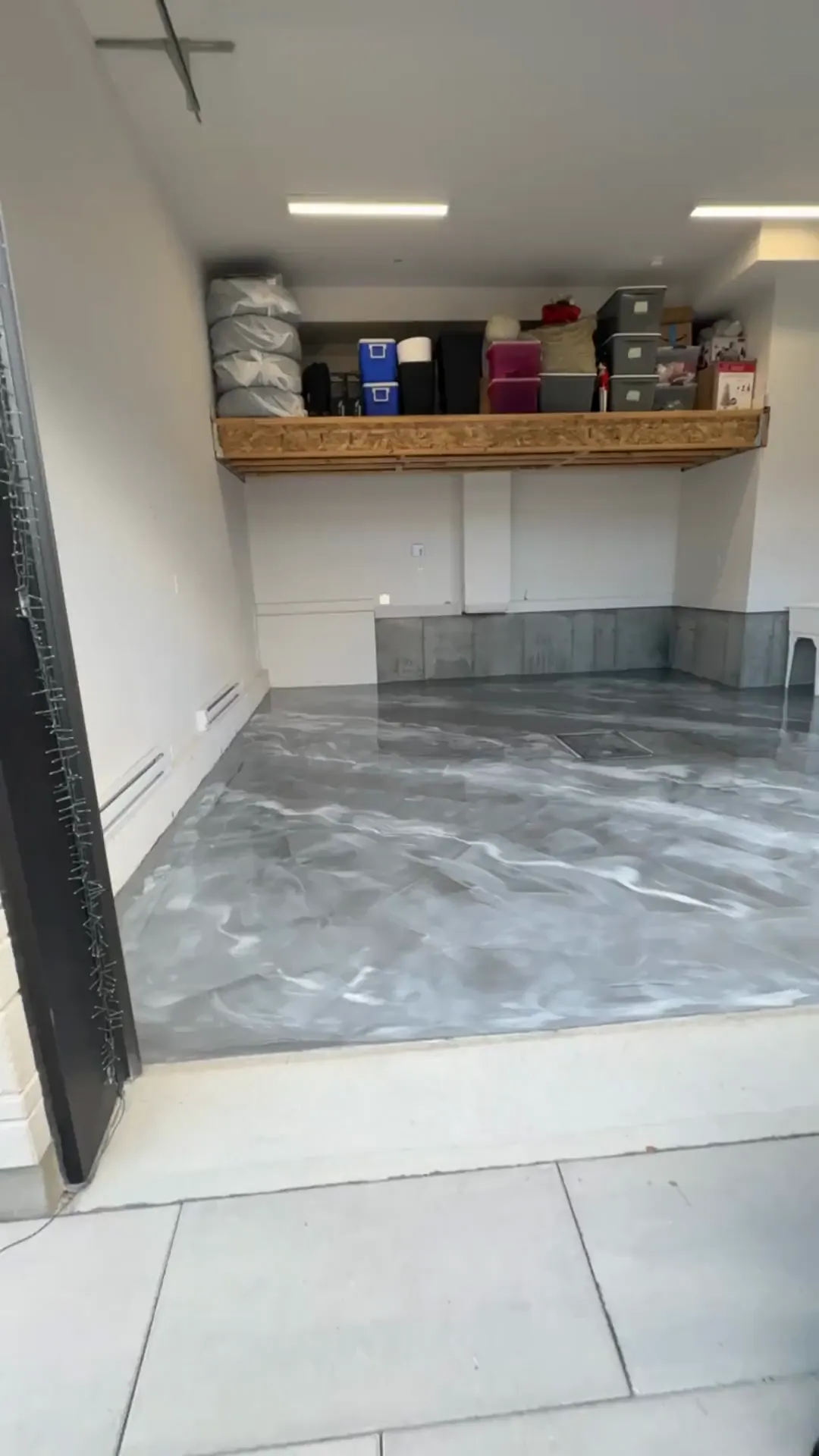
A reliable epoxy and polyaspartic flooring company can be recognized by its transparency about surface preparation, its clearly explained systems (metallic, flake, quartz, solid colour) and its ability to document its installations. In the Montreal South Shore area, high-durability polyaspartic coatings are often recommended for garages, businesses and basements that need a fast, hard-wearing finish.
The concrete signs of a reliable high-durability polyaspartic flooring company
Before hiring an installer, a few indicators can help you tell a rigorous company apart from an improvised offer.
- It explains its method for preparing the concrete before applying an epoxy or polyaspartic system.
- It clearly presents the types of finishes available: metallic, flake, quartz or solid colour, depending on how the space is used.
- It documents its work, whether through before-and-after photos or installation videos.
- It specifies which applications it's experienced with: residential garages, commercial spaces, warehouses or basements.
- It answers your questions precisely instead of steering the conversation toward vague generalities.
These elements don't replace your own assessment of your specific needs, but they do point to a company that takes its work seriously.
Questions to ask before signing a quote
A detailed quote says a lot about a company's professionalism. Here's what you should clarify before committing.
About surface preparation
Ask how the surface will be prepared: sanding, crack repair, managing residual moisture in the concrete. Sloppy preparation compromises the coating's adhesion, no matter how good the product applied afterward is.
About the proposed system
Find out whether it's an epoxy system, a polyaspartic system, or a combination of both. Each product has different properties in terms of curing time and resistance to wear.
About realistic timelines
A serious installer will give you a timeline that's consistent with the chosen system rather than a generic promise. Polyaspartic is known for curing faster than traditional epoxy, which can affect your project's schedule.
Understanding the coating systems available
Companies that know their craft usually offer several types of finishes, each suited to a specific use.
- Metallic: a striking visual effect, often chosen for residential or commercial spaces with aesthetic priorities.
- Flake: a slip-resistant texture well suited to garages and certain commercial spaces.
- Quartz: a durable surface suited to high-traffic environments.
- Solid colour: a clean, versatile finish for basements, warehouses or industrial spaces.
A reliable company will guide you toward the system that matches the actual use of the space, not simply toward the most visually impressive option.
Surface preparation: the step a reliable company never skips
This is often the least visible step, but the most important one for the coating's long-term durability. Concrete that's poorly prepared, inadequately sanded, or that has too high a moisture content can cause premature peeling, no matter how good the product applied afterward is.
A rigorous company will take the time to assess the condition of the substrate before proposing a work plan. If an installer rushes through this step or avoids discussing it, that's a sign worth paying attention to.
What affects the price of an epoxy or polyaspartic floor
There's no universal price for this type of coating, since several factors affect the final cost.
- The initial condition of the surface and the preparation work required.
- The total area to be covered.
- The system chosen: epoxy, polyaspartic, or a combination of both.
- The type of finish selected: metallic, flake, quartz or solid colour.
- Specific site conditions, such as contamination after a disaster or a demanding industrial environment.
The best way to get an accurate picture is to request a detailed quote based on a real assessment of your surface.
Common mistakes to avoid when choosing an installer
- Choosing based solely on the lowest price without checking the planned surface preparation.
- Not asking which system will be used or why it's recommended for your space.
- Failing to check whether the company has experience with your type of application, whether it's a residential garage or a commercial space.
- Signing a vague quote with no details on the steps or timeline involved.
To better understand your options by area, you can check the service areas or browse the blog for more resources on maintaining and choosing a coating.
Related reading: