
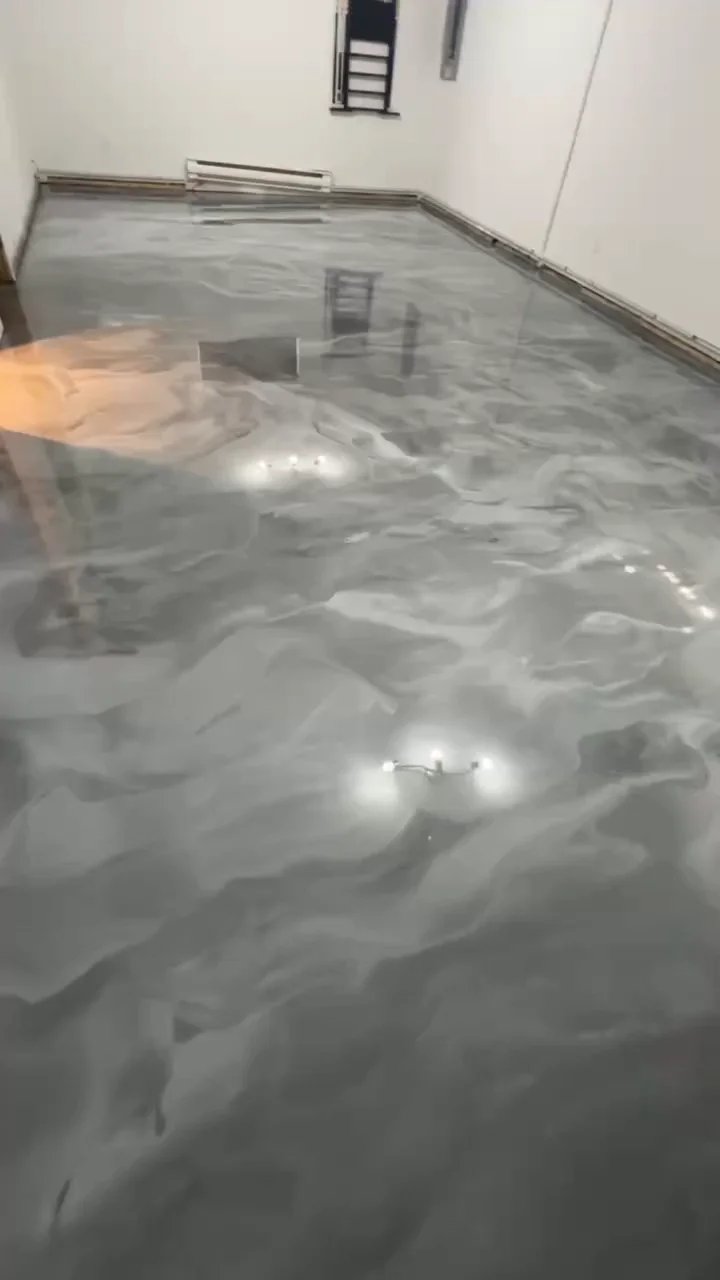
A successful epoxy concrete installation depends on the condition of the substrate, moisture levels, and ambient conditions at the time of application. In Quebec, a well-executed residential garage epoxy floor always starts with rigorous concrete preparation, followed by the application of coats suited to the intended use, whether that's a garage floor, a commercial space, or an industrial environment.
What Determines a Successful Installation in Quebec
An epoxy coating only bonds well to a substrate that's clean, sound, and sufficiently dry. In Quebec, seasonal swings in humidity and temperature add a real layer of complexity. A residential garage exposed to freezing temperatures, road salt, and moisture cycles doesn't have the same needs as a commercial warehouse heated year-round. That's why every residential garage epoxy floor project begins with an assessment of the existing concrete before any system is recommended.
Three things must be checked before application:
- surface cleanliness and the absence of contaminants such as oil, dust, or sealer residue;
- the concrete's moisture level, which must fall within a range compatible with the chosen product;
- the ambient and substrate temperature, which directly affects cure time.
The Steps of a Professional Installation
1. Diagnosis and Substrate Preparation
The concrete is inspected for cracks, friable areas, and signs of residual moisture. Mechanical cleaning, often done by sanding or shot blasting, removes contaminants and creates the roughness needed for proper adhesion. This step is non-negotiable: skipping prep is the most common cause of a coating that peels or lifts prematurely.
2. Repairing Defects
Cracks, joints, and damaged areas are repaired before the epoxy coats are applied. An uneven substrate compromises the final appearance and can create weak points under the pressure of traffic or heavy loads.
3. Applying the Coats
Depending on the system chosen, whether metallic, flake, quartz, or solid colour, several layers are applied with precise waiting times between each. The choice of system depends on the intended use: a residential garage often prioritizes aesthetics and stain resistance, while an industrial setting requires greater resistance to chemicals and abrasion.
4. Curing and Returning to Service
Cure time varies depending on the product and ambient conditions. Putting a floor back into service too soon, before the coating reaches full strength, can cause marks or permanent defects.
Choosing the Right System for the Job
Epoxy systems aren't interchangeable. For a residential garage floor, the focus is often on durability and visual finish. For a commercial or industrial installation, chemical resistance, traffic load, and ease of maintenance become priorities. In post-disaster cases, the substrate must first be sanitized and stabilized before a coating can even be considered.
If your project involves a basement rather than a garage, moisture constraints differ significantly. You can check out our dedicated page on basement epoxy flooring to understand these specifics.
Common Mistakes to Avoid
- Overlooking the concrete's moisture level: a surface that looks dry can still be holding moisture beneath the surface, which compromises long-term adhesion.
- Applying in unsuitable weather: a temperature that's too low or relative humidity that's too high at the time of application can affect curing and finish.
- Skipping mechanical prep: coating over concrete that hasn't been sanded or cleaned produces a result that won't hold up over time.
- Underestimating the floor's actual use: a system chosen solely for looks without considering traffic or exposure to chemicals can wear out prematurely.
What Affects the Cost of an Installation
The price of an epoxy concrete installation depends on several concrete factors: the initial condition of the surface, the area to be covered, the system chosen (metallic, flake, quartz, or solid colour), and the level of prep required. Concrete that's heavily damaged or contaminated will require more prep work than a surface already in good shape. The best way to get an accurate picture for your situation is to request a quote tailored to your project.
Why Work With a Specialized Installer
ERA Époxy offers metallic, flake, quartz, and solid colour systems designed for residential, commercial, and industrial use, including post-disaster projects. Applications cover garages, commercial spaces, warehouses, and basements. The site also features before-and-after transformations as well as installation videos, giving you a concrete look at the finishes available. To find out if your area is covered, check our list of service areas or browse our blog for more practical tips.
Related reading: