


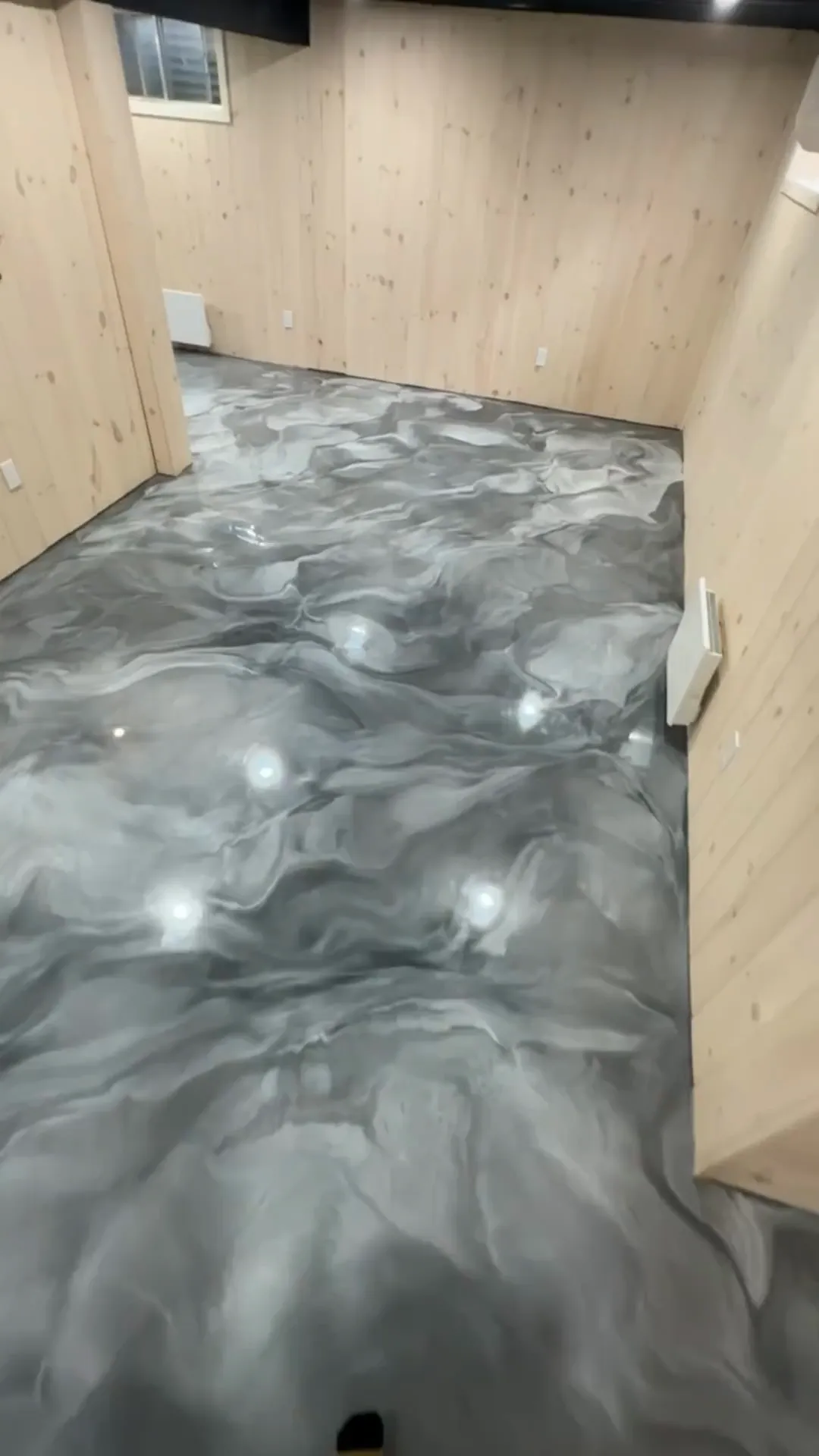
A basement floor or damp space in Montreal needs a coating built to handle residual moisture, temperature swings, and the risk of water infiltration. ERA Epoxy's high-end epoxy and polyaspartic systems seal the surface, keep moisture from migrating, and deliver a durable, low-maintenance finish for any basement.
Why Montreal basements are especially prone to moisture
The Montreal agglomeration includes well-documented wetlands, tracked in the City's open data and mapped as recently as 2025. The administrative region is estimated to contain about 1,000 hectares of wetlands, or 1.6% of its territory, with marshes concentrated on the Island of Montreal and the surrounding islands. At the metropolitan level, the Communauté métropolitaine de Montréal has identified more than 11,000 wetlands covering nearly 21,000 hectares, or 4.7% of the CMM's territory.
This geography, combined with clay-heavy soil and, in some areas, a high water table, explains why so many Montreal basements deal with residual moisture in the concrete slab, even when there's been no visible water damage. A poorly chosen floor coating can bubble, peel, or trap that moisture right against the slab.
Signs your basement is too humid
Before even thinking about a coating, it's important to spot the warning signs. A persistent musty smell, condensation on walls or windows, whitish stains (efflorescence) on the concrete, or a damp, cool feel in the air are all signs worth taking seriously. These issues don't go away on their own and deserve a proper assessment before any new flooring goes in.
Basement water infiltration: a common issue across Canada
Basement water infiltration isn't a rare occurrence. A federal publication on the topic notes that this type of event is common in Canada, with between 30,000 and 40,000 basement flooding claims each year. That frequency is a good reminder of why a floor designed to handle moisture, along with solid preparation before the coating goes on, matters so much.
Choosing the right coating for a basement or damp space
The best option for a damp basement is a system applied directly to the concrete, with no seams or gaps where moisture could sneak in. Epoxy and polyaspartic systems offer several real advantages in this kind of environment:
- A seamless, watertight surface that limits areas where moisture can collect
- Excellent adhesion to properly prepared concrete, even in spaces with higher residual humidity
- A finish that resists stains and abrasion and is easy to clean
- A high-end look, unlike wood or ceramic tile, which don't hold up well against moisture
- Solid long-term performance for residential, commercial, or industrial use
Polyaspartic coatings stand out for their fast cure time and stability across temperature swings, making them a strong option for basements where climate control is limited.
What affects the cost of a basement floor
Project cost depends on several concrete factors: the current condition of the slab (cracks, residual moisture, old coatings to remove), the total area to be treated, the finish chosen, and how much surface prep is needed beforehand. A basement that's already had water damage may also require extra preparation. For an accurate estimate based on your specific situation, the easiest way is to request a quote tailored to your space.
Our approach to basements and post-disaster projects
ERA Epoxy starts by assessing the condition of the concrete and its moisture level before recommending the right surface prep. This step is essential to ensure proper adhesion and avoid problems down the road. Whether it's a residential basement, a commercial space, or a rebuild after water damage, the goal stays the same: a durable, clean, good-looking floor that holds up to the specific conditions of damp spaces. To talk about your project, you can get a quote, no strings attached.
Related reading: